Painters Hermanus: How Often Should You Repaint the Outside of Your House?
Discover how often to repaint your house in Hermanus. Learn about coastal paint challenges, salt spray effects, and marine-grade paint solutions for your Walker Bay home.
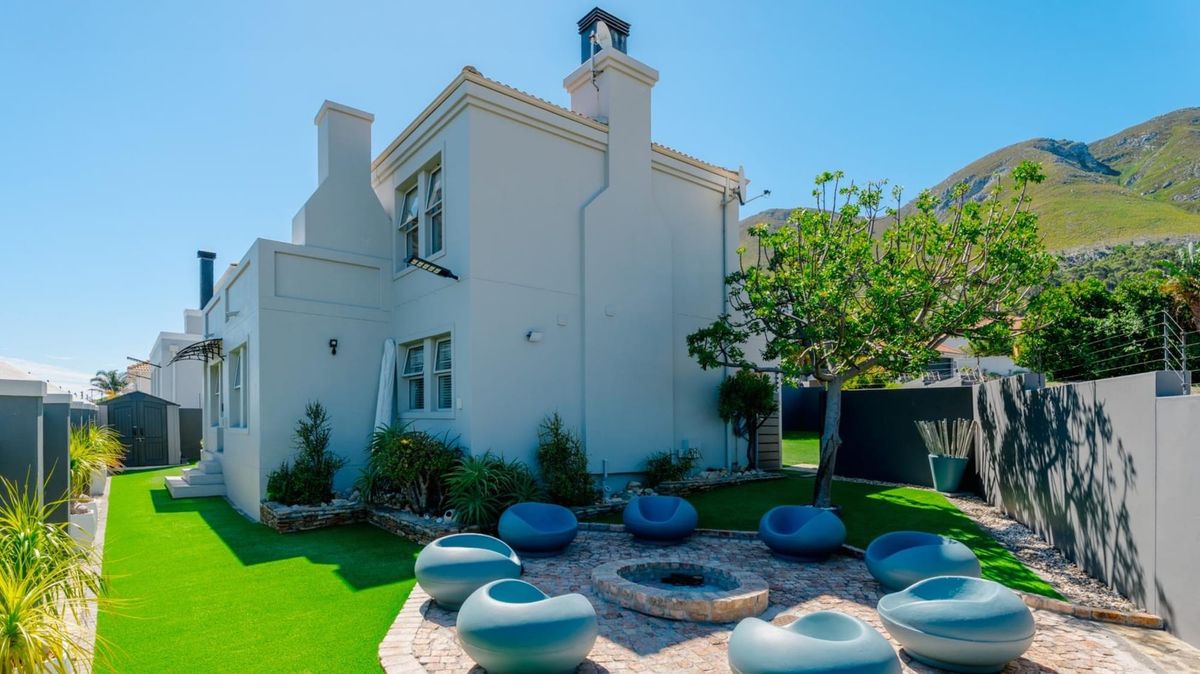
Hermanus is one of South Africa's most picturesque coastal destinations, renowned for its dramatic cliffs, whale watching, and charming beachfront properties. However, the natural beauty of this Walker Bay location comes with a significant challenge for homeowners: the corrosive coastal environment. The combination of salt spray, persistent winds, high humidity, and intense UV radiation creates an exceptionally harsh climate for exterior paint. Understanding how often to repaint your Hermanus home is essential for protecting your investment and maintaining its aesthetic appeal.
While inland homeowners might enjoy a comfortable seven to ten-year interval between repainting, coastal residents in Hermanus face a very different reality. The salty ocean air, moisture-laden winds, and marine aerosols demand a more aggressive maintenance schedule and specialized paint formulations. This comprehensive guide explores the unique factors affecting exterior paint durability in Hermanus and provides practical recommendations for protecting your coastal property.
The Short Answer: Repainting Timeline for Hermanus Homes
For most properties in Hermanus, exterior repainting should occur every three to five years. This is significantly shorter than the five-to-ten-year timeline typical for inland South African homes. Properties with direct beachfront exposure may require repainting as frequently as every two to three years, while those in more sheltered locations might extend to five to six years with proper maintenance and high-quality marine-grade paints.
The accelerated timeline reflects the aggressive nature of the coastal environment. Salt spray, which is the primary culprit, can compromise paint integrity far more quickly than inland weather conditions. Understanding why Hermanus's climate is so demanding is crucial for making informed decisions about your exterior maintenance strategy.
Why Hermanus's Coastal Climate Accelerates Paint Failure
The Salt Spray Challenge
The most significant threat to exterior paint in Hermanus is salt spray. Airborne salt particles, carried by the persistent coastal winds, settle on all exposed surfaces. These particles are hygroscopic, meaning they actively attract and absorb moisture from the air. When salt becomes trapped beneath or within the paint layer, it creates a corrosive environment that accelerates paint failure.
The mechanism is straightforward but destructive. Salt particles adhere to the painted surface, trap moisture, and cause the paint to blister and peel. This process can occur within months in areas of high exposure. The salt also penetrates underlying substrates—wood, metal, and masonry—accelerating their deterioration. On wooden surfaces, salt strips away natural protective oils, leading to cracking, silvering, and eventual rot. Metal components, such as gutters, downpipes, and fasteners, experience accelerated corrosion and rust formation.
Humidity and Moisture Dynamics
Hermanus experiences a maritime climate characterized by consistently high humidity levels. The town's average temperature ranges from 8°C in July to 25°C in January, with the muggiest period occurring from December through April. This moisture-laden air, combined with salt particles, creates an ideal environment for paint degradation. The high humidity prevents paint from drying and curing properly, weakens adhesion, and promotes mold and mildew growth on the painted surface.
The wetter season, lasting from April through October, brings six months of significant precipitation. June is the wettest month, with an average rainfall of 54 millimeters. This extended wet season means that paint is frequently exposed to moisture, which penetrates micro-cracks and causes blistering, peeling, and substrate damage.
Wind and Particle Abrasion
Hermanus is notably windy year-round, with the windiest period lasting from July through March. Wind speeds average above 19 kilometers per hour during these months, peaking in November at 20.6 kilometers per hour. This persistent wind carries abrasive salt particles that act like fine sandpaper on painted surfaces, gradually wearing away protective coatings. The wind also accelerates moisture evaporation, creating stress on the paint film and promoting cracking.
UV Intensity and Fading
The coastal location and clear skies of Hermanus expose homes to intense ultraviolet radiation. UV rays break down the chemical bonds in paint pigments and resins, causing fading, chalking, and loss of protective properties. The combination of UV exposure with salt spray and humidity creates a synergistic effect that dramatically shortens paint lifespan compared to inland locations.
Coastal vs. Inland: Why Hermanus Is Different
The difference between coastal and inland paint durability is substantial. An inland home in the Western Cape might retain a quality paint job for seven to ten years, while an identical home in Hermanus may show significant degradation within three to four years. This difference is not merely a matter of degree but reflects fundamentally different environmental stressors.
Factor Inland Homes Hermanus Coastal Homes
- Typical Repainting Interval 7–10 years 3–5 years
- Salt Spray Exposure Minimal Constant
- Average Wind Speed 10–15 km/h 19–20+ km/h
- Humidity Level Moderate High (maritime)
- Moisture Penetration Risk Low High
- Paint Degradation Rate Slow Accelerated
- Recommended Paint Grade Standard acrylic Marine-grade
This table illustrates why coastal homeowners must adopt a fundamentally different approach to exterior maintenance. The environmental pressures are simply too great for standard paint formulations to withstand for extended periods.
Identifying Warning Signs: When Your Hermanus Home Needs Repainting
Rather than relying solely on time elapsed, homeowners should conduct regular visual inspections to identify early signs of paint failure. Early detection allows for timely intervention before structural damage occurs.
Blistering and Bubbling: Salt and moisture trapped beneath the paint cause it to bubble or blister. This indicates that water has penetrated the paint film and is attacking the substrate. Blistering is a critical warning sign requiring immediate attention.
Peeling and Flaking: Paint that peels in sheets or flakes off in chunks has lost adhesion to the underlying surface. This is often caused by salt intrusion or poor surface preparation during the previous paint job. Once peeling begins, it accelerates rapidly.
Chalking: A white, powdery residue on your hand when you touch the painted surface indicates that the paint's binder is breaking down. This is particularly common in coastal areas where UV exposure and salt spray work together to degrade paint.
Discoloration and Fading: Colors that have become noticeably dull or washed out suggest that UV protection has been compromised. Fading is often accompanied by loss of water resistance.
Mold and Mildew: Green or black spots, particularly on south-facing or shaded walls, indicate moisture retention and biological growth. This is common in Hermanus due to high humidity and salt spray.
Rust Staining: Orange or brown streaks running down walls indicate rust forming on underlying metal components or fasteners. This is a sign of salt-induced corrosion.
Cracking: Fine cracks in the paint film allow water penetration. In coastal areas, these cracks widen rapidly due to salt and moisture intrusion.
Choosing Marine-Grade Paint for Coastal Protection
Not all exterior paints are created equal. Hermanus homeowners must invest in marine-grade or coastal-specific paint formulations designed to withstand salt spray and high humidity. These specialized paints include several key features that standard acrylics lack.
Salt-Spray Resistance: Marine-grade paints are formulated to resist salt spray corrosion. Quality coastal paints typically withstand 250+ hours of salt-spray testing (ASTM B117 standard), compared to 100–150 hours for standard exterior paints.
Enhanced Adhesion: Coastal paints have superior adhesion properties, allowing them to bond firmly to substrates even in high-humidity environments. This prevents the peeling and blistering common in salt-spray conditions.
UV Stabilizers: Marine-grade formulations include robust UV stabilizers that protect pigments and resins from photodegradation. This maintains color vibrancy and protective properties over time.
Moisture Resistance: These paints are engineered to repel water and prevent moisture penetration, critical in an environment where humidity is consistently high.
Fungal and Algal Resistance: Coastal paints often include biocides that prevent mold, mildew, and algae growth—common problems in humid, salty environments.
Finish Selection: For coastal homes, satin or semi-gloss finishes are preferable to flat finishes. These finishes are more water-resistant and easier to clean of salt residue.
The Best Time of Year to Paint in Hermanus
Timing your exterior painting project is crucial in Hermanus. The town's climate offers only limited windows of ideal painting conditions.
Ideal Painting Windows: Late spring (September–November) and early autumn (February–March) provide the most favorable conditions. During these periods, temperatures are moderate (15°C–22°C), humidity is relatively lower, and rainfall is minimal. These conditions allow paint to dry and cure properly without interference from excessive moisture.
Avoid Winter (June–August): The winter months bring heavy rainfall, high humidity, and overcast skies. Paint cannot cure properly in these conditions, and moisture will compromise adhesion and finish quality. Painting during winter is a false economy—the job will fail prematurely.
Avoid Peak Summer (December–February): While summer is dry, the heat can be excessive (temperatures above 24°C). Rapid drying can cause lap marks, poor adhesion, and uneven finish. Additionally, the intense UV radiation and heat stress the paint film.
Avoid Spring Storms (September–October): While generally favorable, late spring can bring occasional storms. Monitor the forecast carefully and avoid painting during periods of predicted rain.
Maintenance Strategies to Extend Paint Life
Regular maintenance can significantly extend the life of your coastal paint job, potentially adding one to two years to its lifespan.
Annual Pressure Washing: Remove salt buildup and grime by pressure washing your home's exterior annually. This prevents salt accumulation that would otherwise accelerate paint failure. Use moderate pressure (below 2000 PSI) to avoid damaging the paint.
Gutter and Downpipe Maintenance: Keep gutters and downpipes clear of debris and ensure proper drainage. Blocked gutters cause water to overflow and cascade down walls, promoting paint failure and substrate damage.
Trim Vegetation: Trees and shrubs should be trimmed back from walls to improve air circulation and reduce moisture retention. Vegetation also traps salt spray and moisture against the painted surface.
Immediate Touch-ups: Address small chips, cracks, or peeling areas immediately. These small failures are entry points for salt and moisture, and addressing them promptly prevents rapid expansion.
Seal Cracks and Gaps: Caulk gaps around windows, doors, and trim with a flexible, marine-grade sealant. These gaps allow water and salt to penetrate behind the paint.
Inspect Metal Components: Regularly inspect metal gutters, downpipes, and fasteners for rust. Address corrosion promptly to prevent it from spreading to adjacent painted surfaces.
Professional Coastal Painting Services
Given the specialized requirements of coastal painting, hiring experienced professionals is highly recommended. Hermanus has several painting contractors, i.e. Painters Hermanus, who specialize in coastal properties and understand the unique challenges of the environment.
Professional painters bring expertise in surface preparation, which is critical in coastal areas. They understand how to properly remove old paint, address salt contamination, and prepare surfaces for marine-grade coatings. They also have access to specialized equipment for pressure washing and high-altitude work, and they carry insurance for liability and workmanship.
When selecting a coastal painter, verify that they have experience with marine-grade paints, understand salt-spray corrosion issues, and can provide references from other coastal properties. A quality coastal paint job, while more expensive than standard painting, will deliver superior durability and protection.
Conclusion: Protecting Your Hermanus Investment
Hermanus's stunning coastal beauty comes with the responsibility of more frequent and specialized exterior maintenance. The three-to-five-year repainting cycle, while shorter than inland homeowners prefer, is a necessary investment in protecting your property from salt spray, moisture, and UV damage.
By understanding the unique challenges of the coastal environment, selecting marine-grade paints, timing your projects during optimal weather windows, and maintaining your exterior regularly, you can maximize the lifespan of your paint job and preserve the beauty and value of your Hermanus home. The key is not to delay—addressing paint failure early prevents far more expensive structural damage down the road.
Contact Painters Hermanus on 082 374 6862 for a FREE consultation.